Bottlenose dolphin – Tursiops truncatus

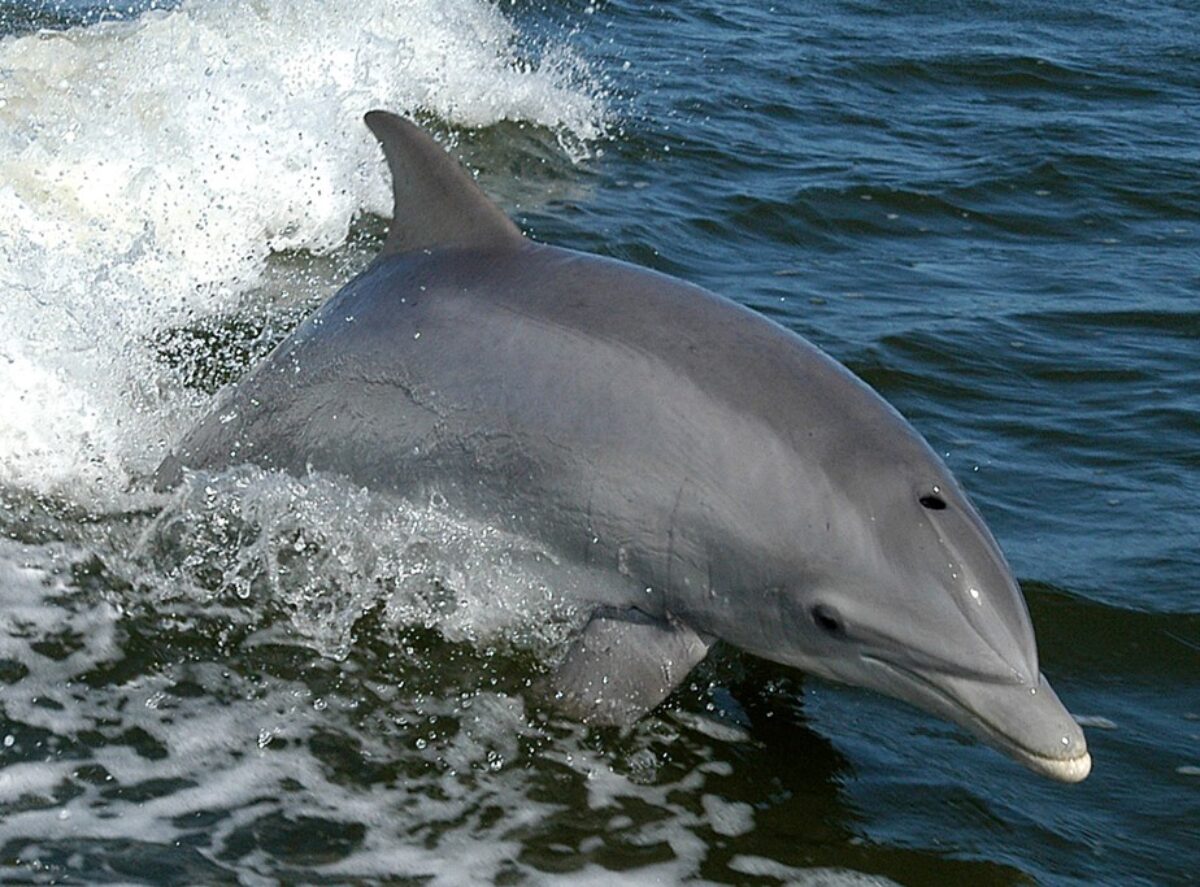
The bottlenose dolphin (scientific name Tursiops truncatus) is a species of cetacean mammal of the dolphin family that also occurs in Greece. The bottlenose dolphin does not include subspecies. The size of the bottlenose dolphin is 2 to 4 meters (the largest) and weighs 270-350 kg. Its body color is dark gray on the back with a less dark or white-pink belly. In the Greek seas, bottlenose dolphins can distinguish a light-colored “touch” under the dorsal fin. In addition to its large size, it has a very curved back when it urinates. (He takes the water out of the hole in the back of his body). It has 20-25 teeth in each jaw. It lives in all oceans (except the Arctic) and throughout the Mediterranean, the Adriatic and the Ionian and Aegean islands. Large populations are also observed in Amvrakikos, North Euboikos, Saronicos, Korinthikos and in the maritime area between Lefkada and Aitoloakarnania. It swims at speeds of up to 35 kilometers per hour. Very often we see it playing with the bow wave or with the wake of a boat. It dives for 3 to 4 minutes and feeds on anchovy, sardine, mackerel, mullet, cuttlefish and squid. Sometimes he cooperates with the fishermen but more often causes them trouble and damage by stealing fish from the nets. It is human friendly and often approaches and plays with swimmers. He lives up to forty-six years.
PRESERVATION STATUS:
LC (Least Concern): Least Concern, which means that it is maintained at relatively good levels.
THREATS:
The main threats to the bottlenose dolphin are reduction of food (fish stocks), direct killing, bycatch by traditional means, noise, marine pollution, bycatch in fishing gear (nets) and overfishing.
TARGET GROUPS:
Amateur and professional fishermen in the maritime area of the Ionian Sea, owners of pleasure or sightseeing boats in the wider maritime area.

Gallery
Χρώμα: White Gray
Μέγεθος: over 2m